Delhi, India info@moeoc.com
Home → India Law → India Immigration Law

India Immigration Law
| Immigration, Visa & Foreign National Information

Visa | FRRO | OCI | Citizenship | Overstay | Exit Permit

Indian immigration law governs the entry, stay, registration, activities and departure of foreign nationals in India.

It is primarily regulated by the Immigration and Foreigners Act, 2025, the applicable rules, the Citizenship Act, 1955 and the Passports Act, 1967, along with Government notifications and directions.



India Immigration Law - Visa and Foreign National Information
VISAS &
e-VISA
FRRO OCI CITIZENSHIP PASSPORT
MATTERS
OVERSTAY
& EXIT PERMIT
BLACKLISTING
& DEPORTATION
LITIGATION
& REMEDIES
LOC
& TRAVEL

Frequently Asked Questions

Common questions on Indian visa, FRRO, OCI, citizenship, overstay, exit permit, blacklisting, deportation and legal remedies.

View all questions
Most foreign nationals require an appropriate Indian visa or e-Visa, subject to nationality, purpose of travel and applicable exemptions. Entry also remains subject to immigration examination on arrival.
Visa overstay in India may result in penalties, immigration restrictions and the need for FRRO/FRO regularisation or an exit permit, depending on the circumstances.
Certain Indian visa categories may be extended or converted where the applicable immigration rules permit. Eligibility depends on the existing visa, purpose of stay and individual circumstances.
FRRO/FRO registration applies to specified foreign nationals based on visa category, duration of stay and current immigration requirements. Registration and reporting obligations vary according to the particular case.
An India exit permit may be required in cases involving overstay, expired immigration status or other departure- clearance issues. The competent immigration authority determines the requirement.
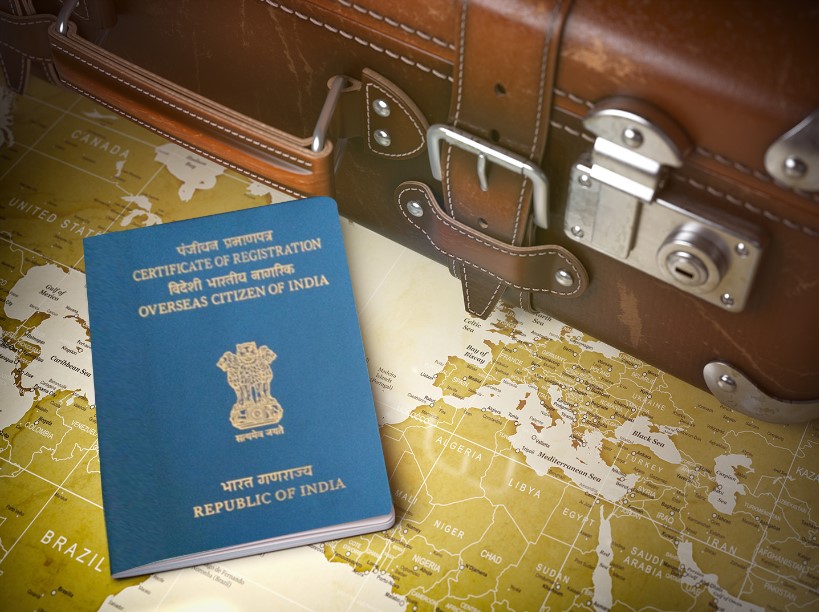
OCI provides significant travel and residence facilities but is not Indian citizenship. Entry may still be affected by applicable immigration, security, cancellation, blacklisting or other legal restrictions.
A foreign spouse of an Indian citizen or eligible OCI cardholder may qualify for OCI registration if the statutory requirements are satisfied and the application is approved by the competent authority.
Passport impounding, revocation or restriction is governed by the Passports Act, 1967 and applicable judicial principles. A pending criminal case does not by itself determine the outcome.
Blacklisting, refusal of entry and related immigration decisions may, depending on the facts, be considered through administrative representation or judicial review before the appropriate High Court.
The appropriate remedy depends on the nature of the FRRO or immigration decision and may involve administrative or judicial review under the applicable legal framework.